
Sweet and Savory Recipe Inspiration with Tortas de Ines Rosales.

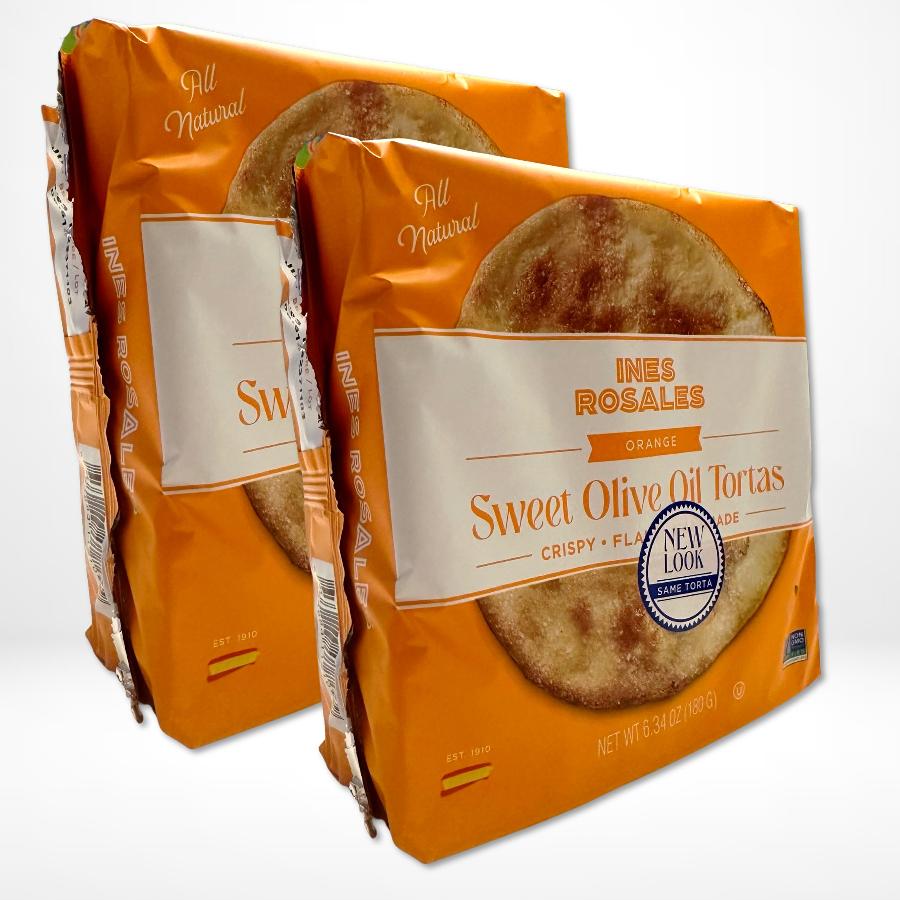
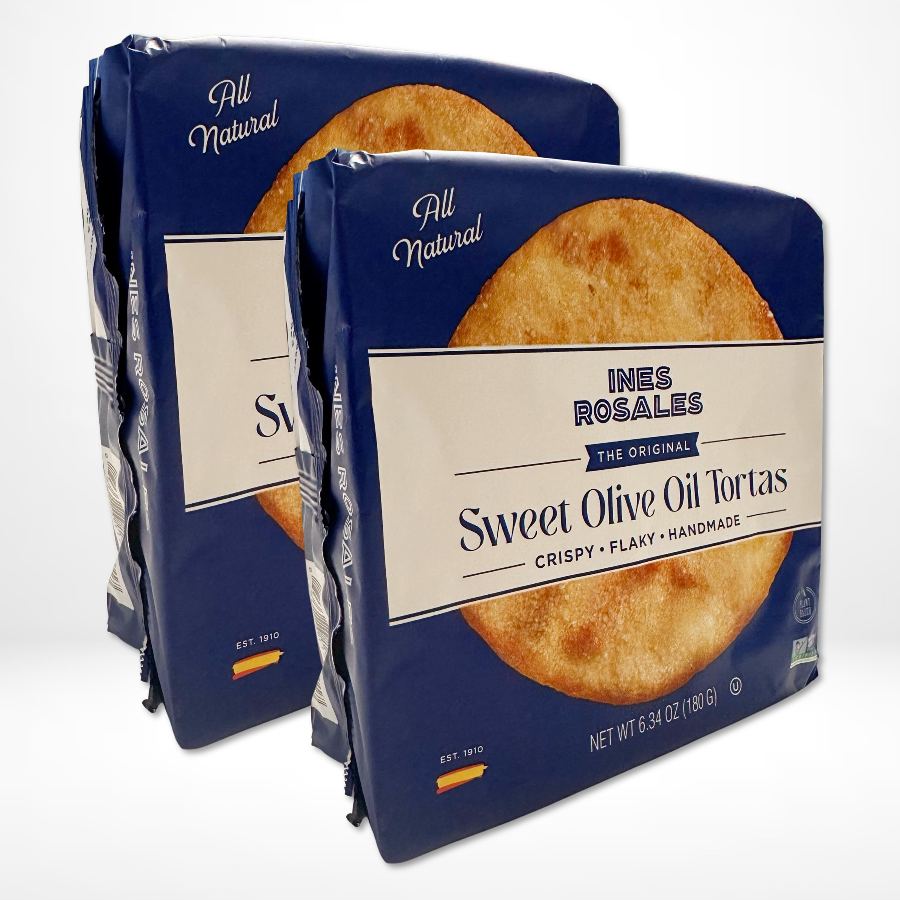
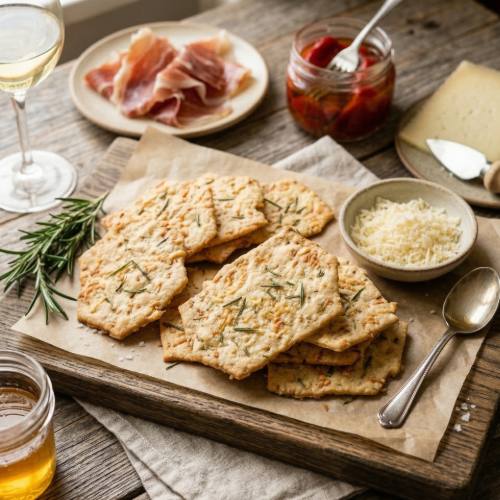
 In Seville, there’s a bakery making the same crackers for over a century. They’re called Tortas de Inés Rosales, and if you’ve walked through a Spanish grocery, you’ve probably seen the distinctive green and gold box. They look simple—thin, crispy rounds with a signature dimple pattern, touched with whisper of olive oil and grain of salt. Most people think they know what they’re getting: a savory cracker. Then they taste them with something sweet, and their whole understanding shifts. These crackers operate in a different dimension. They’re bridge builders. They’re conversation starters.
The Story Behind This Cracker
Tortas de Inés Rosales were born in Seville in the 1880s, created by a baker understanding something about balance and restraint. The recipe is intentionally simple: flour, water, olive oil, salt. No eggs, no sugar, no preservatives. Tortas are baked until golden and crispy. That’s it. What makes them revolutionary is what they’re not—they’re not trying to be everything. They’re deliberately neutral, with just enough olive oil flavor to be interesting and just enough salt to be memorable.
For over a century, they’ve been staples of Spanish breakfasts, snacks, and desserts. In Andalusia, you’ll find them with everything from jamón to marmalade to soft cheeses. The genius is that their flavor is subtle enough not to compete with anything, but their texture is distinctive enough to elevate whatever you pair with them. In Spain, this is understood. In the rest of the world, it’s barely known.
We’re exploring the full range of Tortas—how to use them while respecting heritage while pushing toward new possibilities. Traditional uses are excellent and worth practicing, but there’s a whole world of unexpected combinations working beautifully.
Sweet Combinations
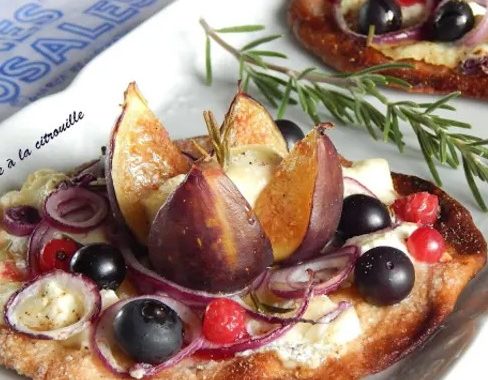
Start with all-natural black fig fruit spread and soft goat cheese. Spread thin goat cheese on a torta, then top with a small spoonful of fig spread. The sweetness of the fig, tang of the cheese, and salt-touched cracker create a dessert that doesn’t taste like it came from any single cuisine. It tastes like something older—something that existed before arbitrary boundaries.
Or try orange blossom honey with premium roasted Marcona almonds. Crush almonds roughly—you want texture, not powder. Spread a thin honey film on a cracker, then scatter almonds. The floral notes of honey, the butter-sweet quality of Marconas, and the salt of crackers work together in a way that feels intentional.
For something more indulgent, try spreading thin dark chocolate (70% cacao or higher) on a warm torta and letting it melt, then finishing with a tiny pinch of fleur de sel. It’s simple, elegant, and proves that a cracker can stand toe-to-toe with anything you put on it.
Savory Combinations
The classic is jamón ibérico de bellota and Manchego cheese. Lay jamón slice on a cracker, break off thin Manchego shard on top, and eat immediately. The sweetness of jamón, the nutty depth of Manchego, and the subtle olive oil of cracker work together as if designed for each other—and they were, essentially, designed by the same culture over centuries.
For something unexpected, try premium Cantabrian anchovies with a whisper of extra virgin olive oil. Place a single anchovy fillet on a cracker, drizzle with the finest olive oil you own, and finish with cracked black pepper. The saltiness of anchovy, umami depth, and fruity oil create a sophisticated flavor profile that’s deeply Spanish.
Another option: spread thin creamy burrata or soft fresh cheese on cracker, top with single slice of smoked paprika-dusted Spanish chorizo, and finish with tiny drizzle of reserva sherry vinegar. The creaminess of cheese, the spice of chorizo, and the acidic finish of sherry vinegar create a complex flavor that keeps revealing itself as you chew.
How to Serve Them
- Keep them fresh and crispy. Tortas are best eaten the day you open them. Store in an airtight container away from humidity. If they soften, a few minutes in a low oven will restore crispness. Never refrigerate.
- Assemble moments before eating. Don’t make a plate topped with jamón and let it sit. Moisture from jamón or cheese will soften the cracker. Assemble each one individually just before eating. This takes 10 seconds. It matters.
- Think about layering. Tortas are delicate. A thin layer of something wet on the bottom, then something dry on top, then a finish works better than loading them up. The cracker should remain crispy all the way through.
- Pair with wine or vermouth. Tortas are meant for social experiences. Pair with dry Fino sherry, vermouth, or crisp white wine. The ritual of eating them slowly, one at a time, is part of the point.
- Experiment with balance. The true skill is understanding when you have enough flavor and when you have too much. A tiny spoonful of fig spread is better than generous dollop. A single anchovy fillet is more elegant than two. Train your palate to recognize when the cracker is elevated without being overwhelmed.
Advanced Combinations to Try
- Creamy goat cheese, thin honey layer, tiny pinch of Spanish saffron (toasted and crumbled)
- Lomo ibérico, shaving of Manchego, and a touch of quince paste
- Soft cheese, roasted piquillo peppers, and a whisper of smoked paprika
- Salchichón ibérico, a tiny amount of Manchego, and a drop of sherry vinegar
Wine Pairing
The beauty of Tortas is that they pair well with almost any wine you choose. For sweet combinations, try a Moscato d’Asti or Spanish Cava. For savory combinations, a Fino sherry, an Albariño, or even a light red like young Beaujolais works perfectly. If serving as part of a larger spread, dry vermouth (Spanish vermouth from Catalonia, if you can find it) is ideal—it’s refreshing, complex, and won’t overpower delicate flavors.
Frequently Asked Questions
Are Tortas de Inés Rosales gluten-free?
No, they’re made from wheat flour. If you need gluten-free options, look for alternatives, though you won’t find the exact same flavor profile. Tortas’ charm lies in their simplicity, which includes the wheat.
Where can I buy authentic Tortas de Inés Rosales?
Look for them in the international or Spanish section of your grocery store. If you can’t find them locally, they’re available online. Make sure you’re buying from sources that move product regularly—you want fresh Tortas.
Can I toast Tortas or heat them?
You can, but I don’t recommend it. The charm of Tortas is their exact crispness as packaged. Toasting changes the texture in ways generally less pleasant. If they’ve lost crispness, refresh in a low oven, but don’t actively toast them.


Comments